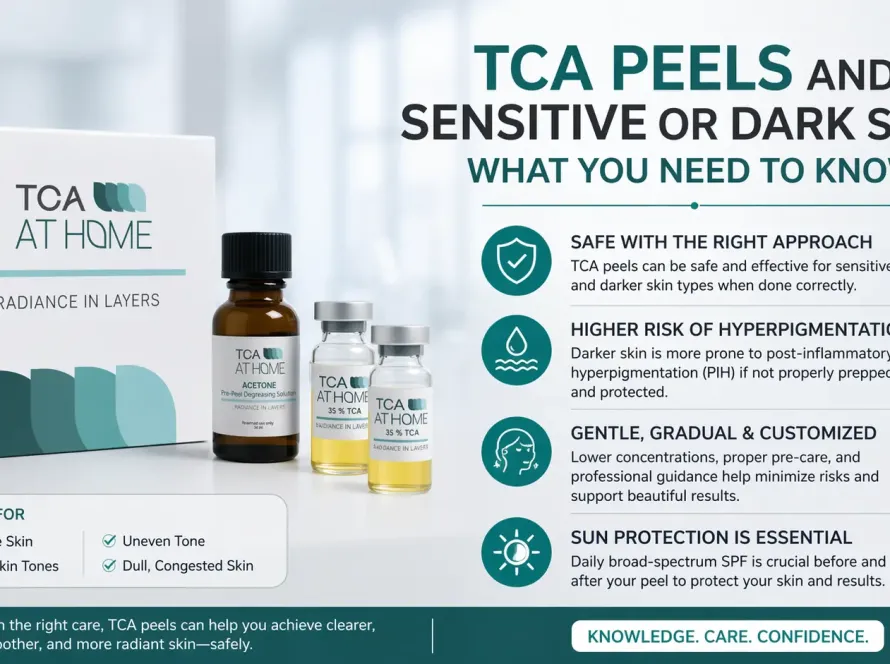
A TCA peel can dramatically improve skin texture, acne scars, pigmentation, and overall brightness. When applied correctly, it stimulates controlled skin renewal and encourages healthy collagen production. However, like any powerful resurfacing treatment, results depend heavily on technique and preparation.
Many people who try an at-home TCA peel focus only on the solution itself. They forget that the success of the treatment depends on proper preparation, careful layering, and responsible aftercare. Small mistakes during application can lead to uneven peeling, irritation, or delayed healing.
The good news is that most problems are preventable. When you understand the most common mistakes people make, it becomes much easier to avoid them and achieve smoother, more predictable results.
In this guide, we will walk through the most frequent errors people make during a TCA peel and explain how to perform the treatment safely.
Skipping Proper Skin Preparation
One of the most common mistakes is applying a peel without first preparing the skin. Many beginners assume that cleansing the face is enough. In reality, the skin should be carefully prepared in the days leading up to the treatment.
Preparation helps stabilize the skin barrier and allows the peel to penetrate evenly. Without proper preparation, certain areas may absorb the acid faster than others. This can lead to uneven peeling or increased irritation.
Before performing a peel, your skin should be well hydrated, calm, and free from irritation. Strong actives such as retinoids or exfoliating acids should be paused several days before treatment.
If you want to understand this process in more detail, reviewing a full guide on how to prepare your skin for a TCA peel can help ensure your skin is ready.
Using Too Many Layers Too Quickly
Another frequent mistake is applying too many layers too quickly. Some users assume that stronger or faster treatments will produce better results. Unfortunately, this approach often leads to unnecessary irritation.
TCA peels work through controlled layering. Each layer penetrates gradually and should be applied with patience. After applying a layer, it is important to wait and observe the skin before adding another.
The skin will usually show a mild frosting reaction as the acid begins to work. This visual cue helps determine whether additional layers are necessary.
Applying several layers back-to-back without waiting for the skin to react can push the peel deeper than intended. This increases the risk of redness, prolonged peeling, or pigmentation changes.
A careful and conservative approach always produces more predictable outcomes.
Ignoring Degreasing Before Application
Oil on the skin’s surface can interfere with how a peel spreads. If the skin is not properly degreased, some areas may repel the solution while others absorb it more quickly.
This uneven absorption can lead to patchy peeling or inconsistent results.
Before applying a peel, the skin should be thoroughly cleansed and degreased using an appropriate solution. Degreasing removes surface oils, allowing the TCA solution to contact the skin evenly.
This small step can make a significant difference in the final outcome.
Applying the Peel Too Aggressively
Technique matters more than many beginners realize. Rubbing the solution too firmly into the skin or saturating the applicator can lead to excessive acid exposure in certain areas.
A TCA peel should be applied in thin, controlled passes across the treatment area. The goal is to distribute the solution evenly rather than forcing it into the skin.
Gentle and deliberate application helps maintain control over the peel depth.
Taking your time during this stage helps prevent irritation and ensures the peel performs exactly as intended.
Peeling Over Irritated or Inflamed Skin
Another mistake is performing a peel while the skin is already irritated. This may happen after sun exposure, aggressive exfoliation, or acne flare-ups.
TCA peels rely on the skin’s ability to heal predictably. If the skin barrier is compromised before the treatment begins, healing becomes more difficult.
Applying a peel to inflamed or damaged skin can increase the risk of prolonged redness and pigmentation issues.
Before performing a peel, the skin should appear calm and healthy. If irritation is present, it is always better to postpone the treatment until the barrier has recovered.
Failing to Follow the Application Protocol
Every peel system includes a specific application method designed to control depth and safety. Skipping these guidelines is one of the most preventable mistakes.
The protocol usually outlines:
- cleansing and degreasing steps
- layering guidance
- waiting time between layers
- visual cues such as frosting
- aftercare instructions
Following a structured application protocol helps standardize the process and reduces the likelihood of mistakes.
When users improvise or rush the treatment, the results often become less predictable.
Picking or Pulling Peeling Skin
Once the peel has been applied, the skin will enter a natural renewal cycle. During this stage, dryness and flaking are completely normal.
However, many people make the mistake of picking at peeling skin.
Pulling loose skin prematurely can irritate the new layer underneath and may lead to uneven healing or discoloration.
Instead, allow the peeling process to occur naturally. Gentle cleansing and hydration will help the skin shed safely.
Patience during this stage leads to smoother results.
Neglecting Sun Protection After the Peel
After a TCA peel, the skin becomes temporarily more sensitive to sunlight. Newly revealed skin is especially vulnerable to ultraviolet damage.
Failing to protect the skin from sun exposure can cause post-inflammatory hyperpigmentation, especially in individuals with darker skin tones.
Daily sunscreen use is essential during the recovery period. Limiting sun exposure also helps maintain the improvements created by the peel.
Sun protection is one of the simplest and most effective ways to protect your results.
Expecting Immediate Transformation
Many beginners expect dramatic results immediately after a peel. In reality, the treatment works through a gradual renewal process.
The first few days often involve redness and tightness. Peeling follows shortly afterward, and the skin slowly reveals a fresher layer beneath.
The real improvements typically become noticeable over the following weeks as collagen remodeling continues.
Understanding this timeline helps prevent disappointment and encourages patience during the healing phase.
Final Thoughts
A TCA peel is a powerful tool for improving skin quality, but success depends on thoughtful application and careful attention to detail. Most complications occur not because the treatment itself is unsafe, but because small steps are skipped or rushed.
Avoiding common mistakes like over-layering, skipping preparation, or neglecting aftercare can make a significant difference in your results.
When you approach at-home TCA peels with patience and follow a structured protocol, you can achieve results that rival professional treatments.
Taking the time to understand the process fully is the best investment you can make in your skin.
FAQ’s
The most common mistake is applying too many layers too quickly. This can push the peel deeper than intended, increasing irritation or recovery time.
It is best to wait until the skin barrier has recovered. Applying a peel to irritated or inflamed skin can worsen discomfort and delay healing.
Degreasing removes surface oils that can prevent the peel from spreading evenly. This step helps ensure consistent absorption across the skin.
Yes, peeling is a natural part of the renewal process. The skin sheds damaged layers as new cells form underneath.
Following preparation guidelines, applying the peel slowly, and maintaining proper aftercare greatly reduces the risk of problems.