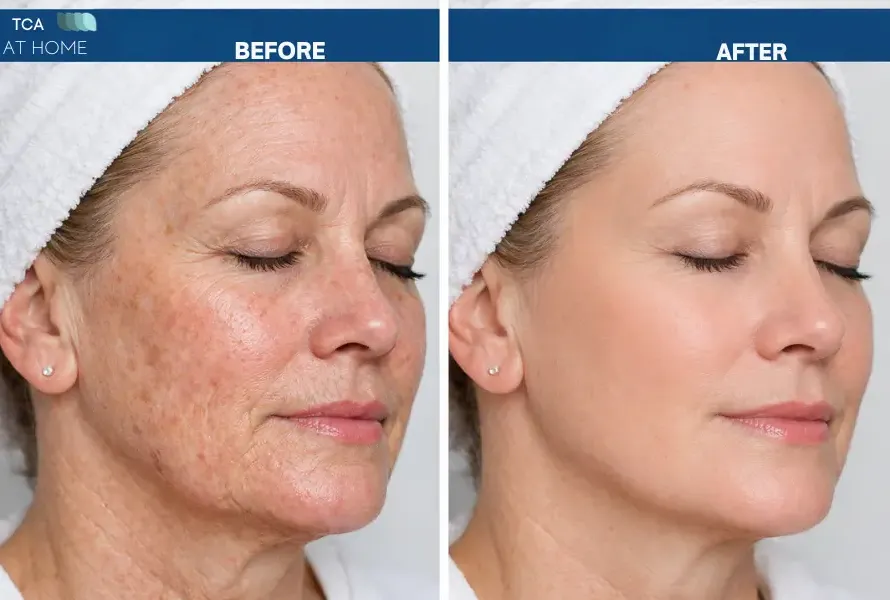
A TCA peel can do a lot for your skin. It can smooth texture, fade acne scars, and even out tone in a way that many surface treatments simply can’t match. Understanding the side effects of TCA peel helps you stay prepared and handle each stage of the process with confidence. But let’s be honest for a moment. This is not a “no-reaction” treatment. Your skin is going through a controlled injury so it can rebuild itself stronger and healthier. Because of that, some side effects are not only normal but expected.
The key is knowing the difference between what’s normal, what needs attention, and how to respond properly. When you understand that, you stay in control of the process instead of second-guessing every reaction. Let’s walk through this in a clear, practical way.
Why Side Effects of TCA Peel Happen
A TCA peel works by breaking down damaged skin layers and triggering regeneration. That process naturally creates inflammation, even when everything is done correctly. Think of it as your skin switching into repair mode.
However, the intensity of side effects depends on a few things:
- How strong the peel is
- How many layers do you apply
- How well you prepared your skin
- How carefully you follow aftercare
This is why two people can use the same peel and have slightly different experiences. If you haven’t already, it helps to understand the full chemical peel process day by day, because most “side effects” are simply stages of healing.
Redness: Common Side Effects of TCA Peel
Let’s start with redness, because almost everyone experiences it. Right after the peel, your skin may look flushed or feel warm. Over the next couple of days, that redness can deepen slightly, especially during the peeling phase. For most people, this feels similar to a mild sunburn.
How to manage it
Keep things simple. Focus on calming your skin rather than trying to fix it. Use a gentle cleanser. Apply a soothing moisturizer. Avoid heat, sun exposure, and anything that could irritate the skin further. Redness usually fades gradually as the skin heals. However, if it lingers longer than expected, it’s often a sign that your skin needs more time and less interference.
Peeling: Expected Side Effects of TCA Peel
Peeling is the part most people expect, but it can still feel surprising when it actually starts. Usually, around day two or three, the skin begins to flake and shed. Some areas peel lightly, while others may come off in thin sheets. It’s not always even. And that’s completely normal.
What you should (and shouldn’t) do
This is where patience matters most. Do not pick, pull, or force the skin to peel. It might feel harmless, but it can disrupt healing and lead to uneven results. Instead, keep your skin hydrated and let it shed naturally. If you follow a proper TCA peel aftercare routine, the peeling phase becomes much easier to manage.
Hyperpigmentation: Serious Side Effects of TCA Peel
This is one of the more important side effects to understand. Post-inflammatory hyperpigmentation can happen when the skin becomes irritated or exposed to the sun during healing. Instead of improving tone, the skin may temporarily darken in certain areas. This is more common in medium to deeper skin tones, but it can happen to anyone.
How to reduce the risk
Sun protection is everything here. Use a broad-spectrum sunscreen daily. Even small amounts of UV exposure during healing can trigger pigmentation. Also, avoid over-layering the peel or applying it to irritated skin. Many pigmentation issues come from pushing the peel too far. If you’re unsure about your risk level, it’s worth reviewing who should NOT use a TCA peel before starting.
Breakouts: Side Effects of TCA Peel or Skin Purging
Some people notice breakouts after a peel. This can feel frustrating, especially if you’re treating acne. In many cases, this is temporary. The peel accelerates cell turnover, which can bring underlying congestion to the surface faster than usual.
What to do
Keep your routine simple. Avoid adding acne treatments too quickly while your skin is still healing. Once your skin settles, breakouts usually improve along with overall skin clarity.
Infection Risk: Rare but Important
Infections are not common, especially when the peel is done correctly. However, they can occur if the skin barrier is compromised and not properly cared for.
This risk increases if:
- You pick at peeling skin
- You touch your face frequently with unclean hands
- You skip proper aftercare
How to stay safe
The key is to keep things clean, but not overly clean. Go for the mild products and stay away from harsh products. Should something feel off, like pain or oozing or extended irritation—then hit pause and rethink your routine. This risk is drastically minimized from the very start by following an orderly application protocol.
Sensitivity and Tightness After Side Effects of TCA Peel
After a peel, your skin often feels tighter and more sensitive than usual. This is part of the barrier rebuilding process. Some people notice that even basic products feel slightly stronger on their skin.
How to manage it
Focus on hydration and barrier support. Avoid active ingredients like acids or retinoids until your skin feels fully stable again. This stage doesn’t last forever, but it does require patience.
When Side Effects Go Beyond Normal
Most side effects follow a predictable pattern. However, if something feels unusual, it’s worth paying attention to.
Signs that need extra care include:
- excessive or worsening redness
- uneven healing in patches
- prolonged irritation beyond expected timelines
In many cases, these issues trace back to common mistakes like skipping prep or over-layering. If you want to avoid those situations, reviewing common mistakes to avoid during a TCA peel can be very helpful.
The Role of Preparation and Technique
Here’s something many people overlook. Most side effects don’t come from the peel itself. They come from how the peel is used. Proper preparation strengthens your skin. Controlled application prevents overexposure. Thoughtful aftercare supports healing. When all three are aligned, side effects stay manageable and predictable. If you’re still early in your journey, it’s worth going back and reviewing how to prepare your skin for a TCA peel before your next session.
Final Thoughts
Side effects are part of the TCA peel process. They’re not a sign that something has gone wrong. In most cases, they’re a sign that your skin is doing exactly what it’s supposed to do. The difference between a smooth experience and a stressful one comes down to understanding. When you know what to expect, you don’t panic when your skin changes. You stay patient, follow the process, and let your skin heal properly. That’s what leads to the results most people are looking for.
FAQ’S
Redness is one of the most common reactions, yes. Typically, it feels like a mild sunburn and dissipates over days to weeks as the skin repairs.
Peeling begins within 48–72 hours of treatment, and depending on the depth of the peel, is usually complete by day five to six.
Yes, if the area is exposed to the sun or irritated while healing. This risk is significantly decreased with proper sun protection.
Hydration and skip over all those actives Allow your skin some time to repair its barrier function before jumping back into your regular period of being a person.
Timing, control at application, and after care are the name of the game. Working through a protocol will help keep the process safe.